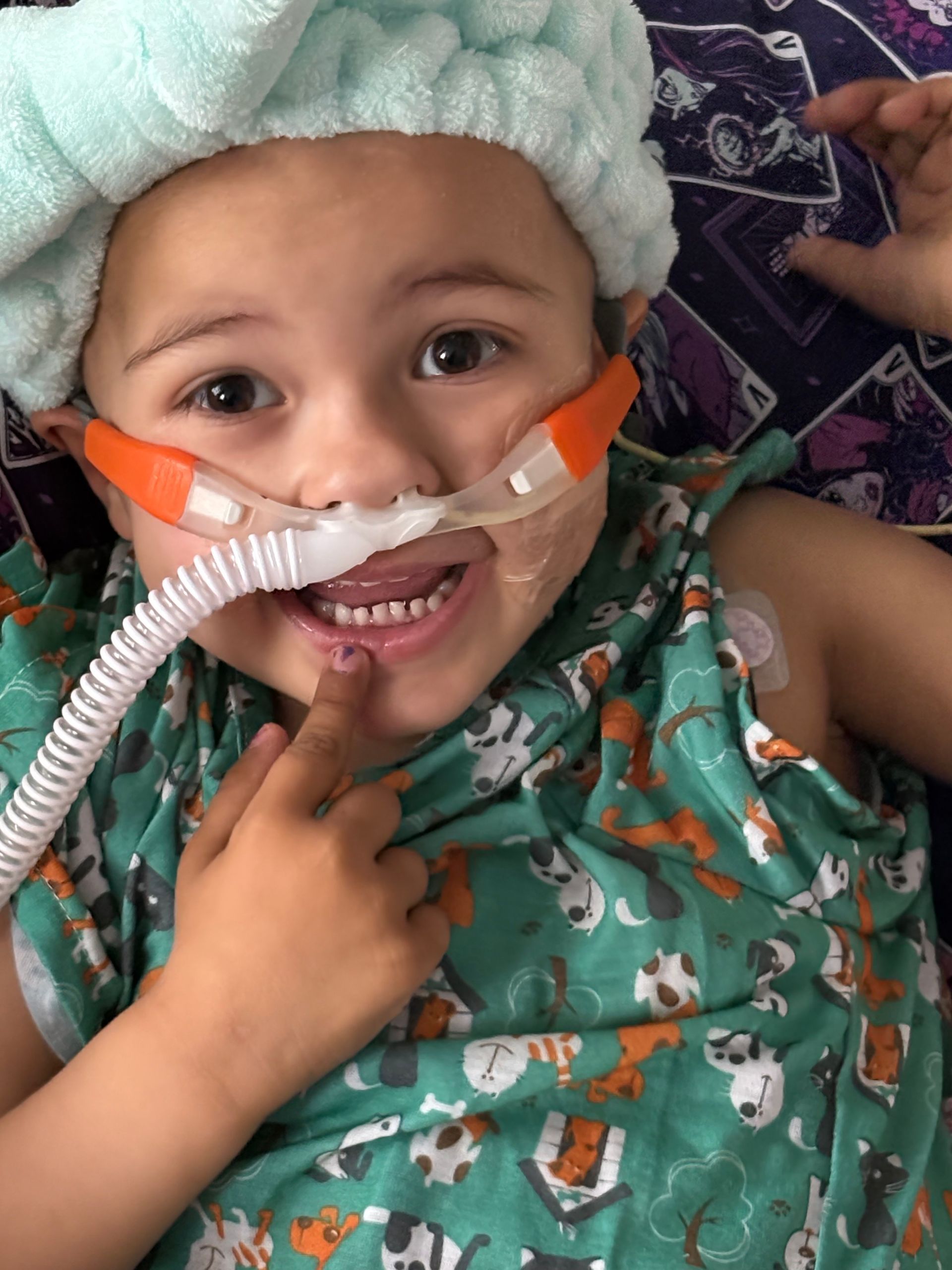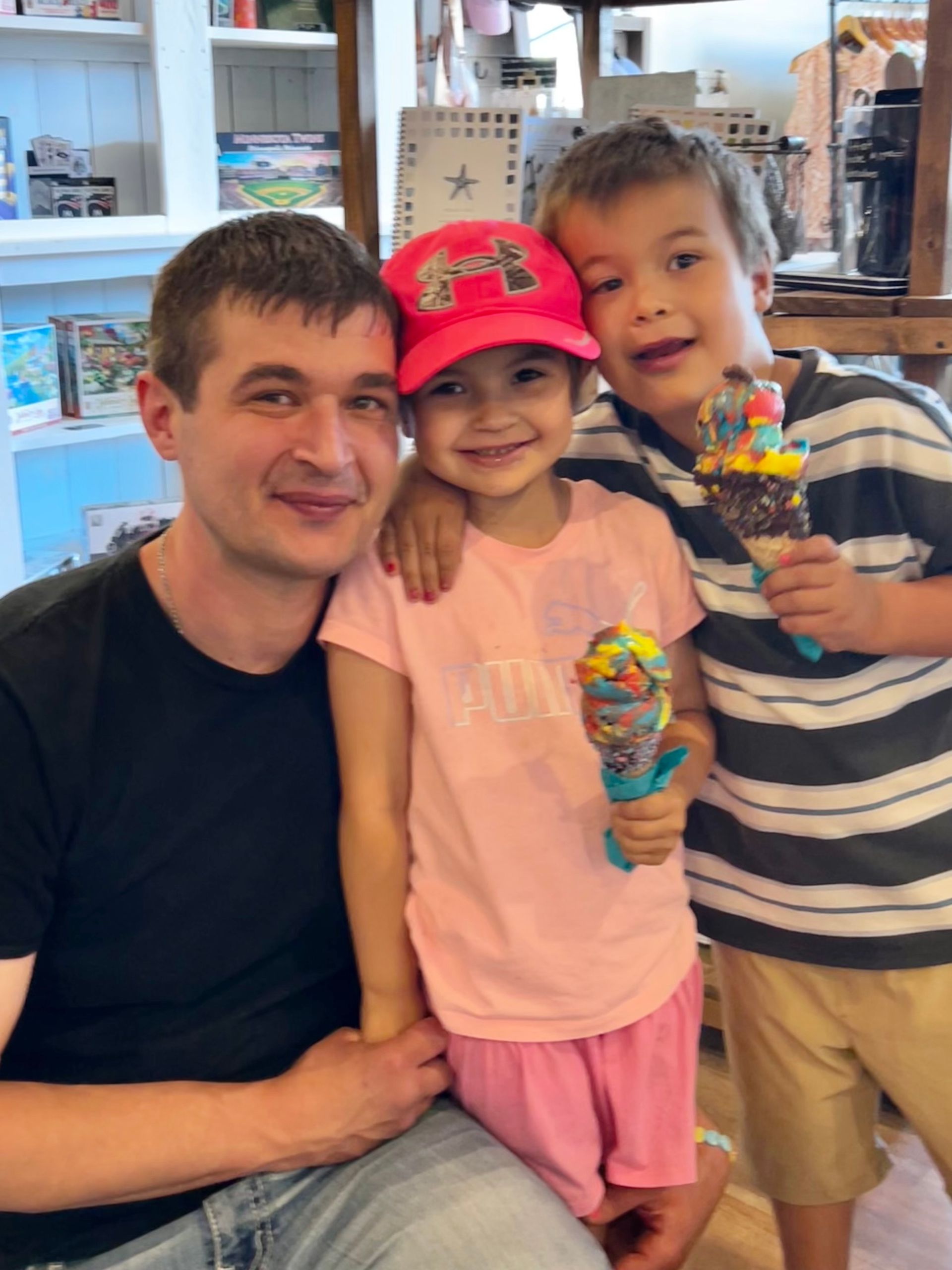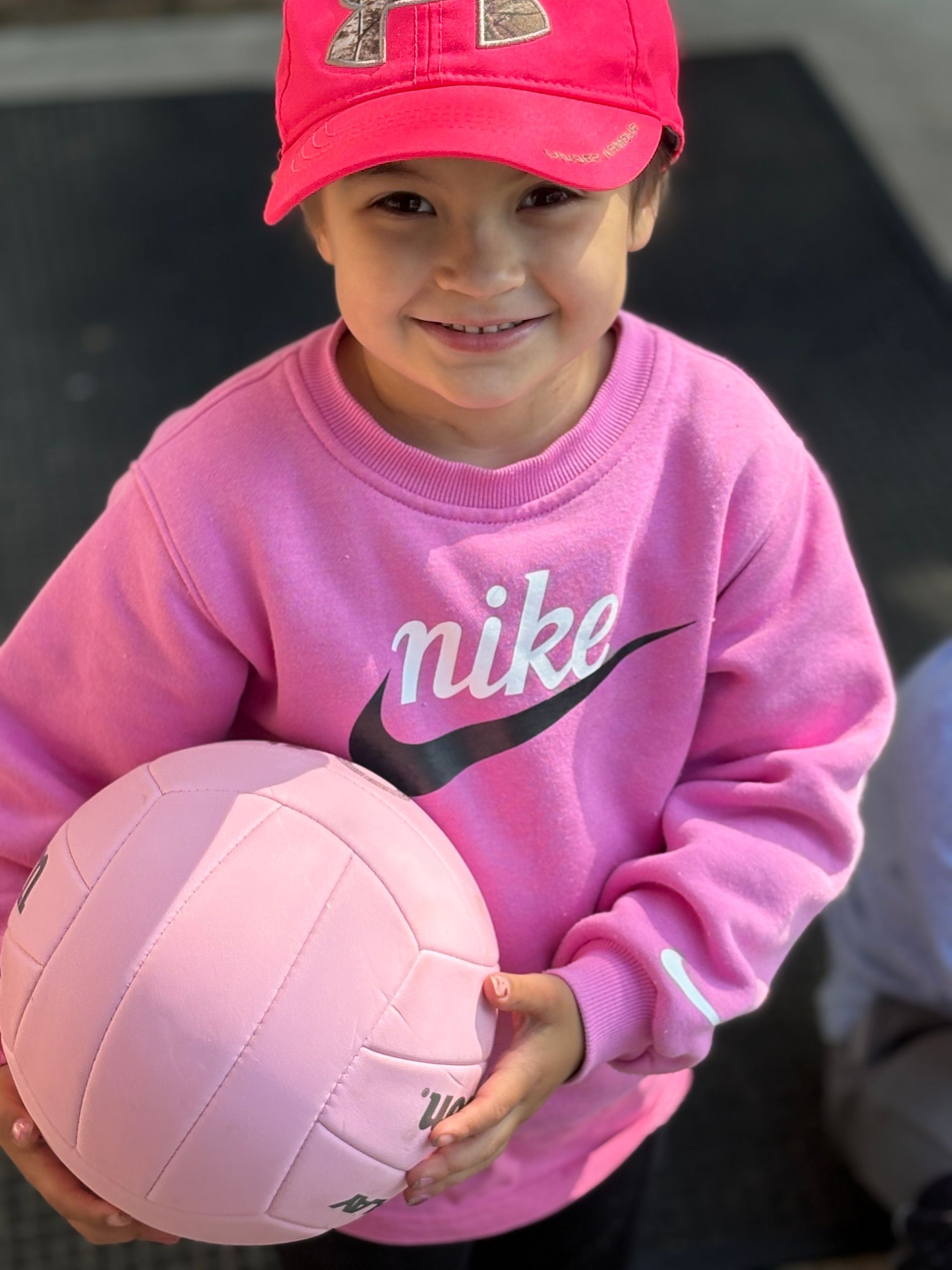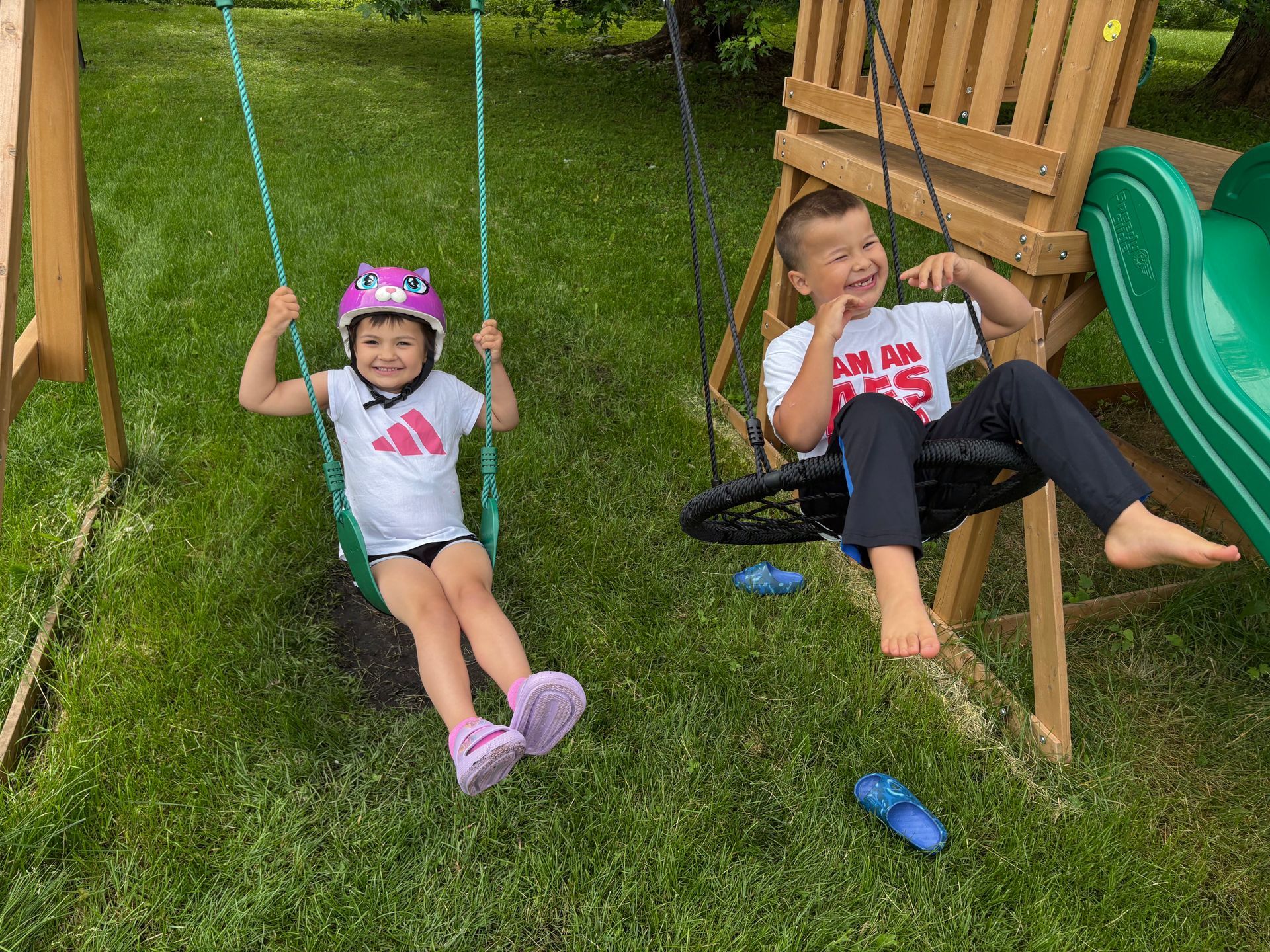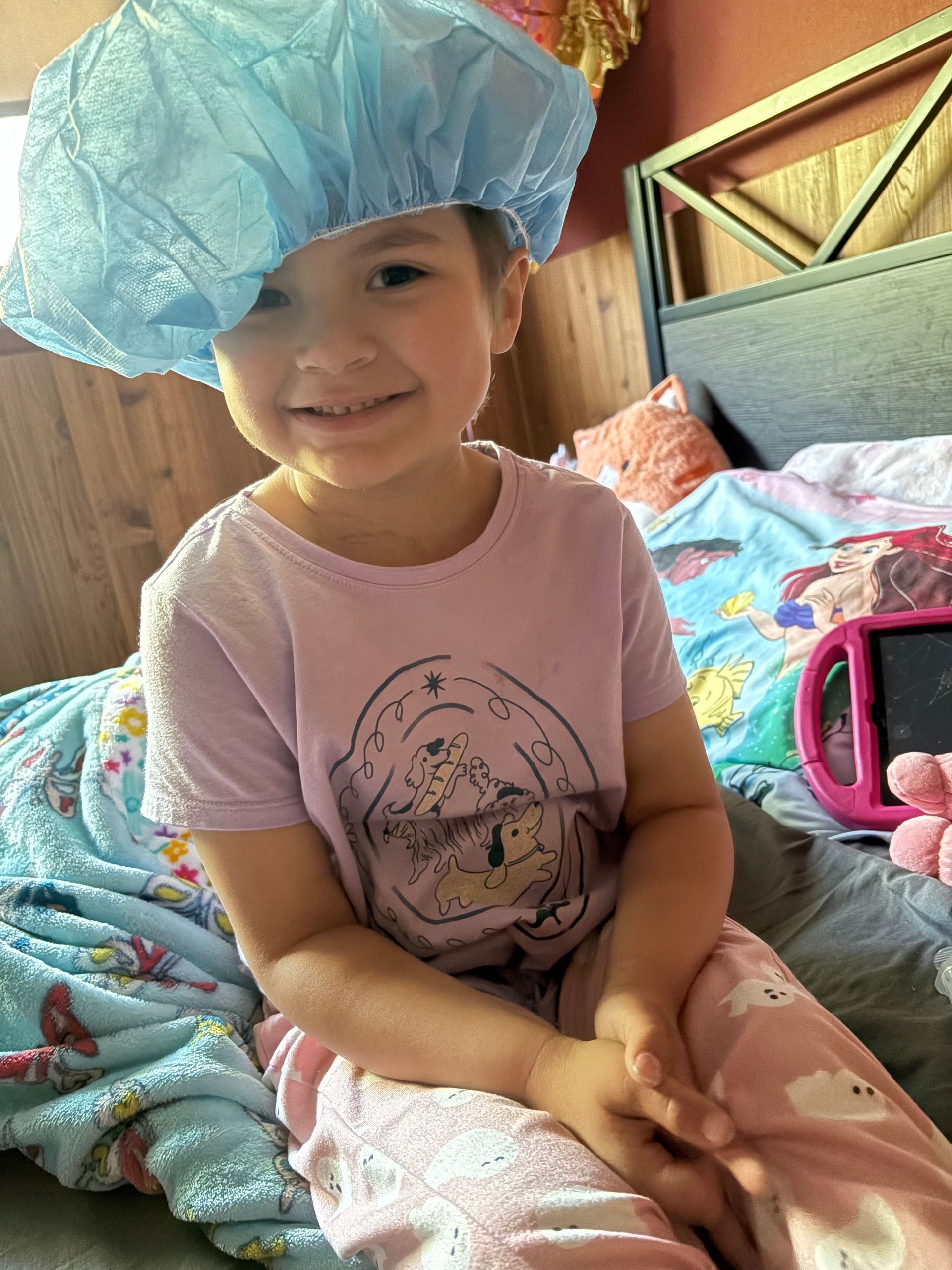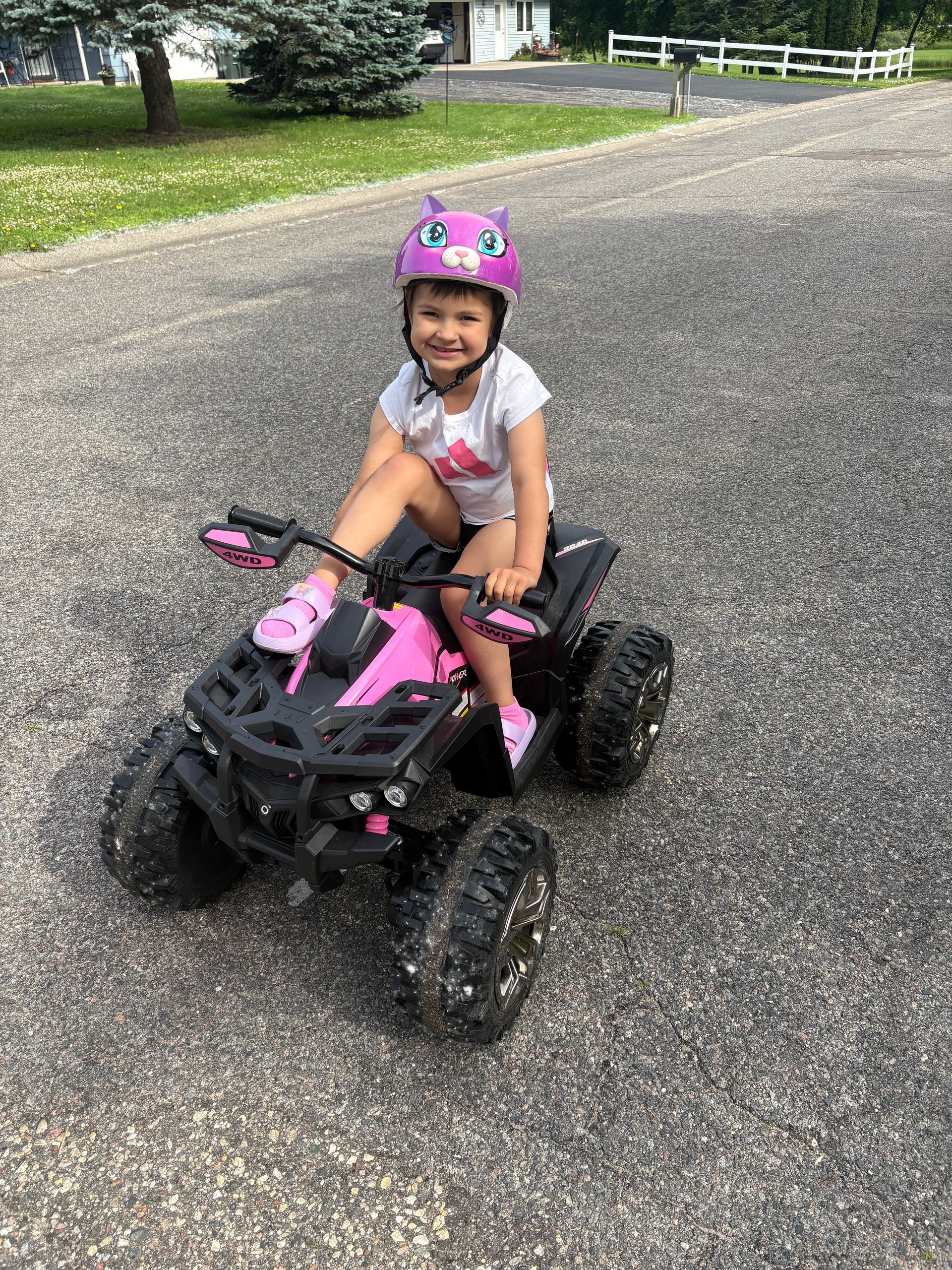
At just four years old, Cora from Annandale, Minn., has already shown more courage than most people do in a lifetime. From the outside, she’s every bit the little girl she loves to be — painting her nails, playing with Barbies, putting on makeup, and twirling around as a princess. She adores sweet corn and rice, and her laughter fills every room she enters.
But in the spring of 2025, that laughter was replaced by tears. Cora began experiencing sharp pains in her side and blood in her urine — symptoms her dad, Joe, and her grandma, Janet, first thought were urinary tract infections. One morning at preschool, the pain became unbearable and she was taken to a local hospital in Buffalo, where a CAT scan revealed something no one expected: a large mass on her right side. Doctors told them to go straight to Children’s Minnesota.
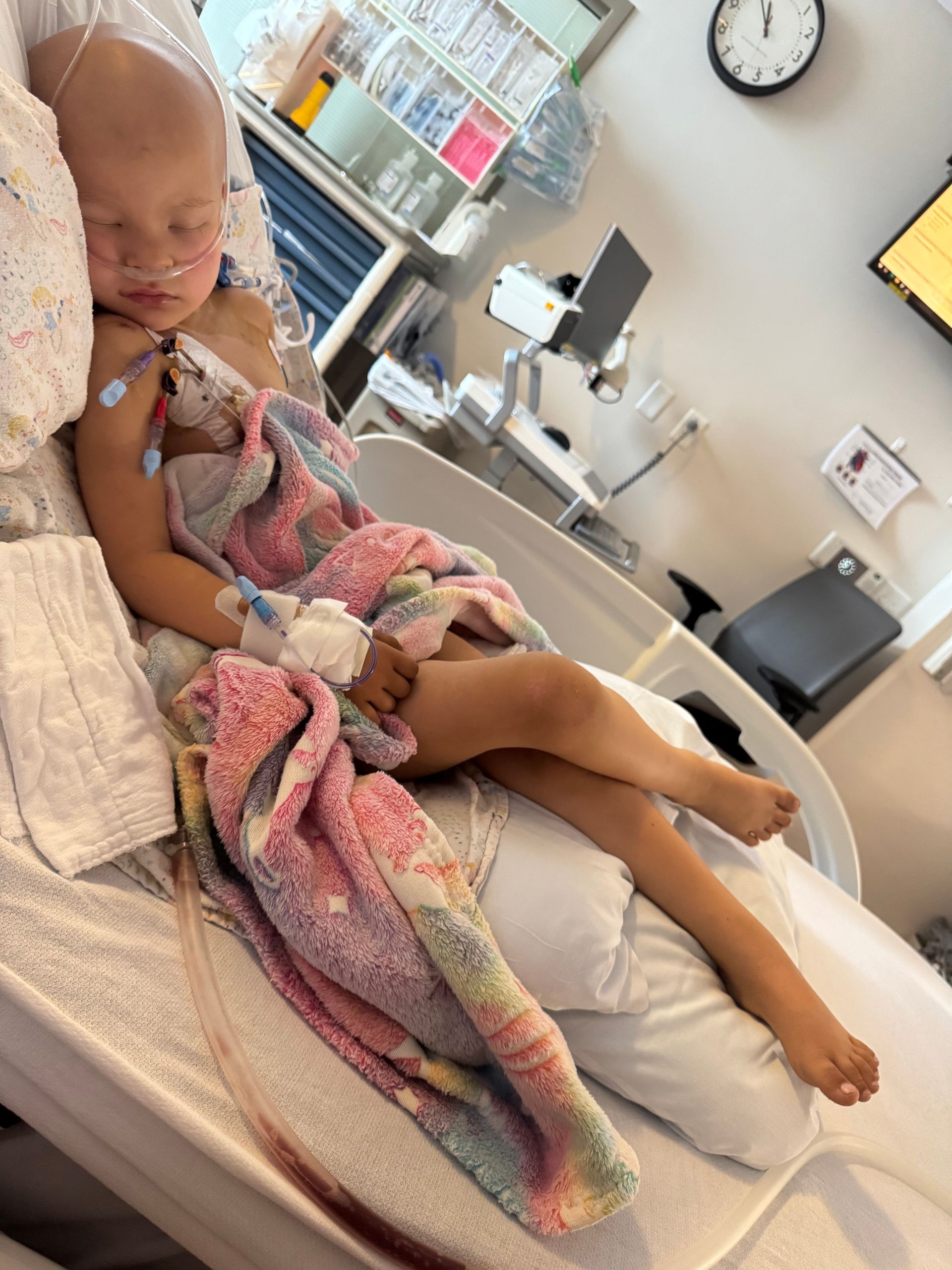
On April 29, 2025, Cora was diagnosed with neuroblastoma, a rare childhood cancer. What followed were months of chemotherapy, surgeries, a bone marrow transplant and hospital stays — each step met with resilience, love, and groundbreaking care.
Early in treatment, Cora developed severe mouth sores caused by chemotherapy. The pain was excruciating, leading to bleeding so intense that blood poured from her mouth. Thick strings of skin also formed inside her mouth making it impossible for her to stick her tongue out of her mouth.
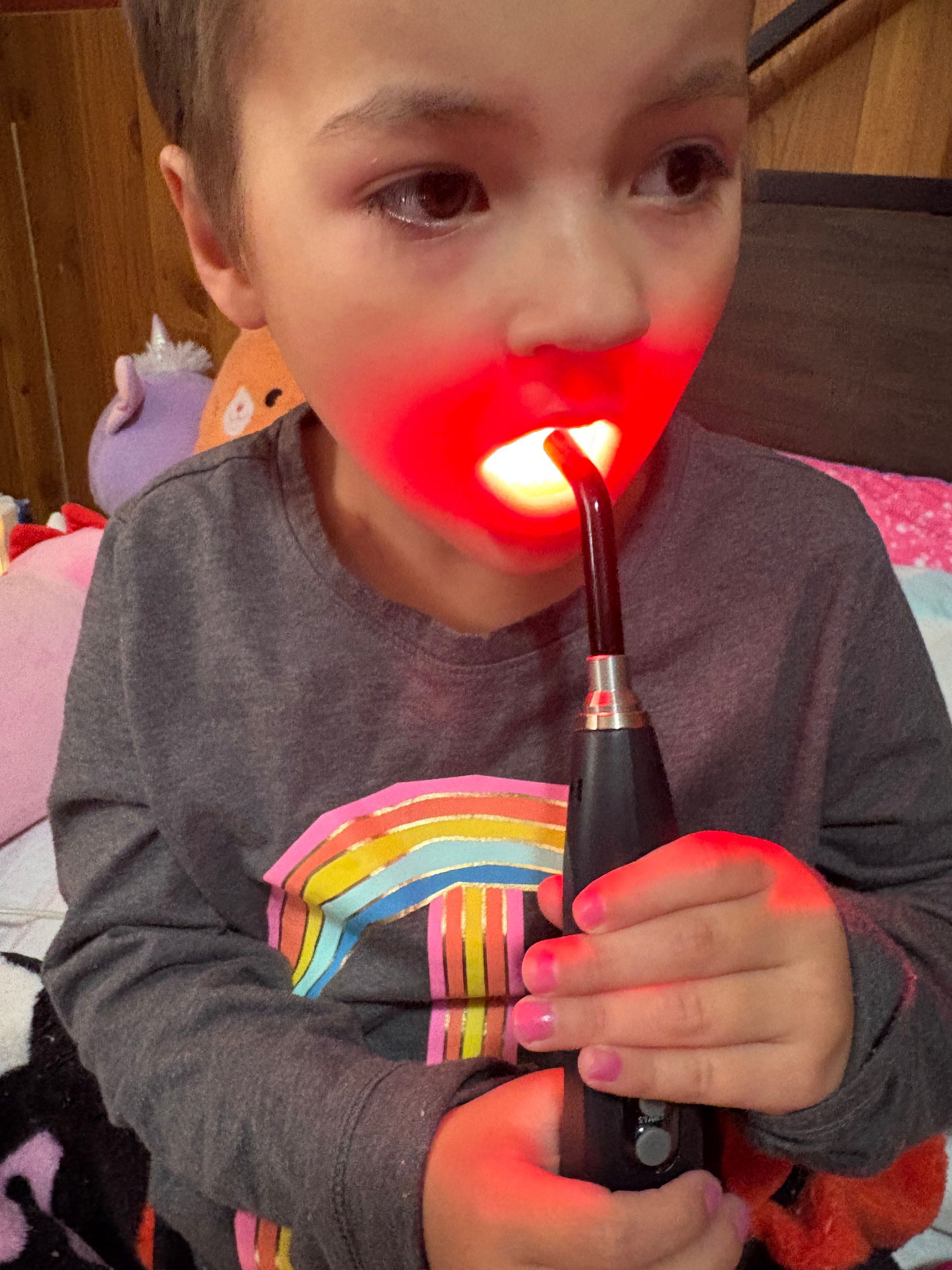
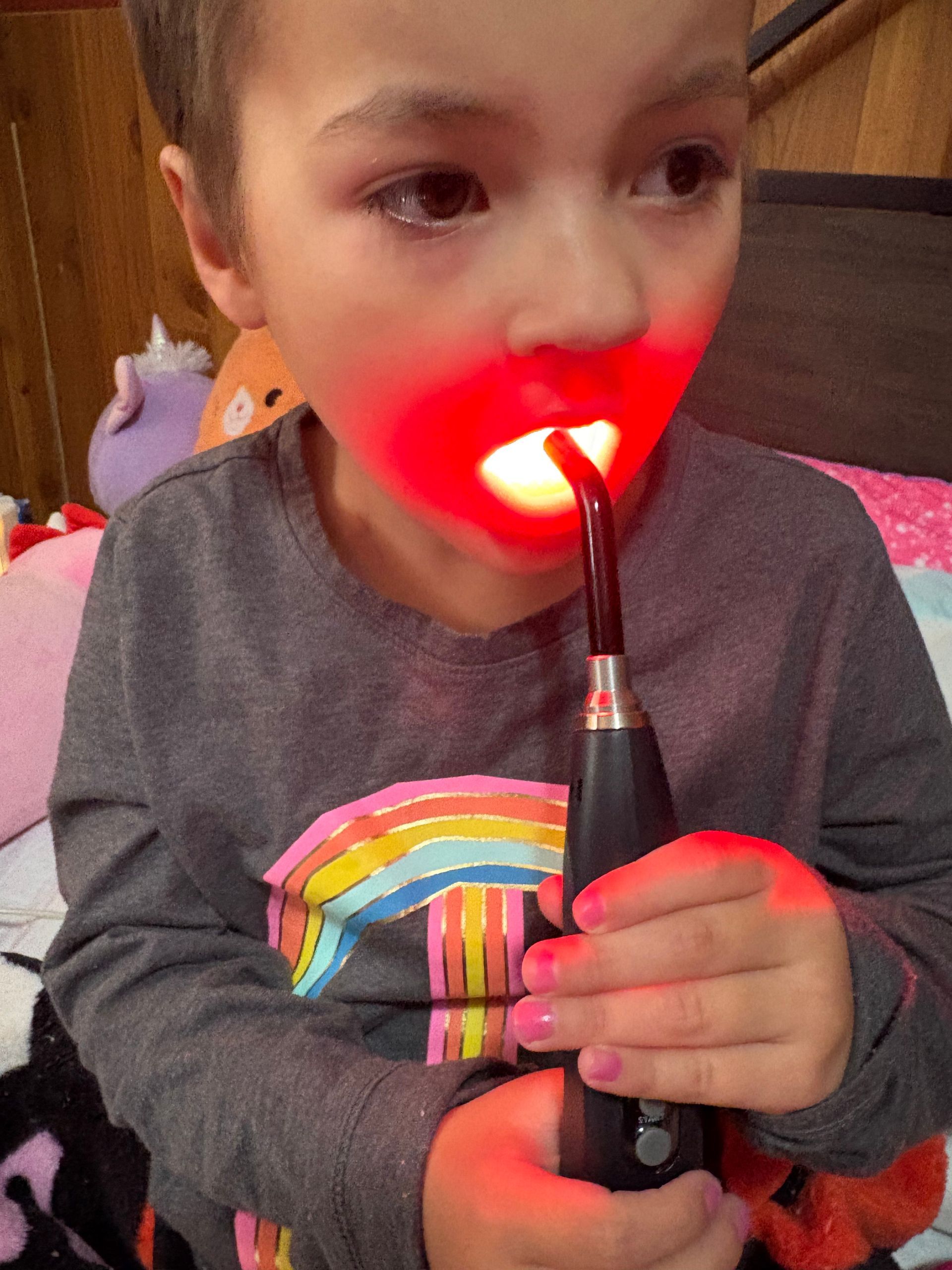
Then came a breakthrough — red‑light therapy or photobiomodulation (PBMT). This gentle, noninvasive light treatment promotes healing and helps prevent chemotherapy‑induced mouth sores. For Cora, the results were extraordinary. The sores nearly disappeared, and those that remained were small and caused minimal pain.
While receiving treatment at other hospitals during her cancer journey, Joe was surprised to learn many of them did not have red light therapy equipment on site. Sharing that with Cora’s care team at Children’s Minnesota, they soon introduced a portable handheld red‑light device as part of a new study led by Anastasia Brown, a Nurse Case Manager at Children’s Minnesota, and supported by Pine Tree’s Hematology, Oncology Point of Care through Survivorship Research Endowment Fund, which fuels nursing research at Children’s Minnesota. This innovation allowed patients to continue red‑light therapy at home and while traveling, ensuring consistent and transferable care beyond hospital walls. Cora and her family used the handheld device daily during chemo and her recent bone marrow transplant — even to help heal around her gastrostomy tube site.
“Cora loves her handheld device. She is basically a nurse in training,” Joe says.
The success of Cora’s treatment reflects years of collaboration and dedication. In 2024, Children’s Minnesota made PBMT the standard of care for inpatient chemotherapy patients. The Pine Tree‑funded study expanded that care to include handheld devices, bridging the gap between hospital and home.
Thanks to this research — and brave patients like Cora — Children’s Minnesota’s Cancer & Blood Disorders Program now provides handheld red‑light therapy devices for all patients at risk for mouth sores. That means more children can heal faster, feel better, and spend precious time at home with their families.
“Cora has the best care team she could have at Children’s Minnesota” Joe said. “It is more than a care team. They are like family. I can call them for anything, and Cora loves them. Even through the constant infusions and needle pokes, they make things fun and always put a smile on her face making us feel more comfortable.”
Cora’s journey is one of light — both literally and figuratively. Her story shines as a testament to innovation, compassion, and the power of community support. Through Pine Tree’s commitment to research and care, children like Cora aren’t just fighting cancer — they’re inspiring progress that reaches far beyond Minnesota.